How Moles Disrupt Root Systems and Landscape Drainage
Yard mole removal experts can help prevent moles from damaging root systems and disrupting landscape drainage by safely eliminating these pests.
Property owners who notice unusual mounds or tunnels in their yard may be concerned about how moles disrupt root systems and landscape drainage. These small creatures can cause significant underground disturbances that compromise the health of plants and the integrity of drainage pathways. Understanding these impacts is essential for maintaining a thriving outdoor space, especially when signs of mole activity start to appear. Exploring this topic can help homeowners identify underlying issues early and consider professional yard mole removal services offered by local contractors who specialize in managing these pests effectively.
Addressing mole activity is often a practical step for those looking to protect their landscape investment and prevent potential damage to underground irrigation or drainage systems. Local service providers can assess the extent of underground disruptions and recommend appropriate removal solutions that help restore the natural balance of the yard. Keeping an eye on how moles affect root systems and drainage can lead to more informed decisions about maintaining a healthy, functional outdoor environment. Keep reading to learn more about how these burrowing pests impact your property and the ways local pros can assist in managing their activity.
- Common Projects Services - Yard mole removal is essential when moles create tunnels that threaten root systems and compromise landscape drainage, and local contractors use specialized tools to effectively eliminate these pests.
- Garden Damage Repair - When moles disturb root zones and cause soil upheaval, experienced service providers can restore landscape stability and prevent further disruption.
- Lawn and Garden Restoration - If moles have damaged the integrity of planting beds and disrupted drainage patterns, local pros employ targeted removal techniques to protect plant health.
- Soil Stabilization Services - Moles that undermine soil structure can lead to poor drainage and erosion, and local contractors can implement solutions to reinforce soil stability.
- Landscape Maintenance - Persistent mole activity can weaken root systems and impair drainage, prompting service providers to offer ongoing management and removal strategies.
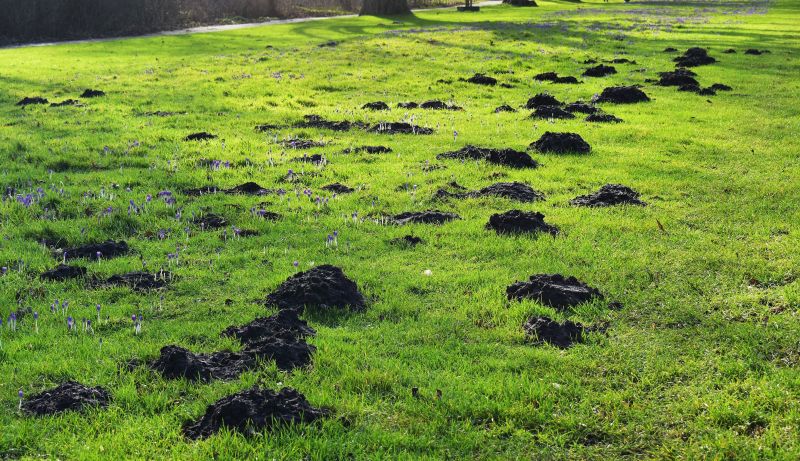
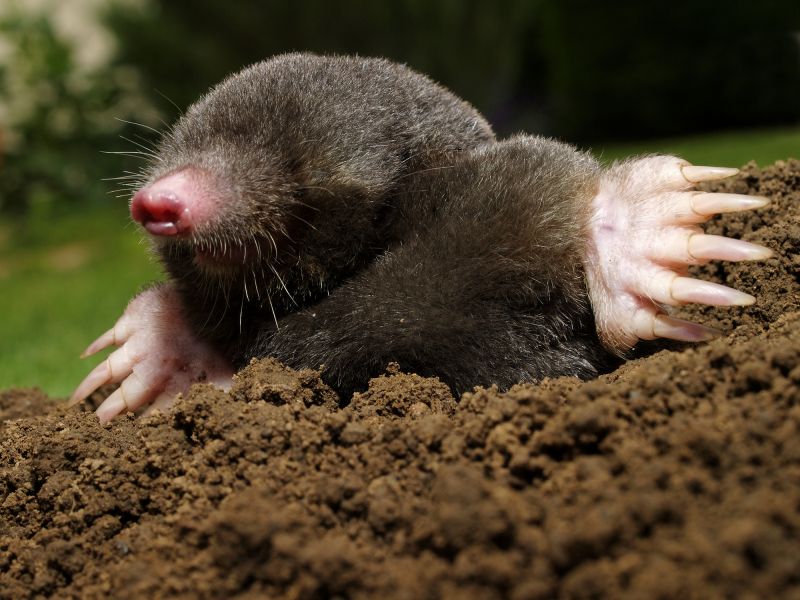
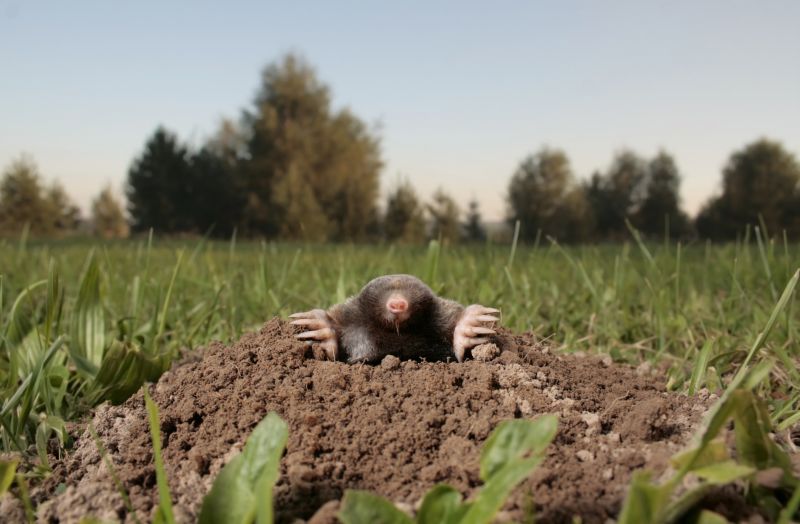
Understanding how moles disrupt root systems and landscape drainage is a common concern for homeowners managing their yards and gardens. When people search for this topic, they often want to know how these small burrowing animals can cause damage to their plants, trees, and overall yard health. Moles create underground tunnels that disturb the natural stability of root systems, which can weaken trees and shrubs over time. Additionally, their tunneling activity can interfere with the way water moves through the soil, leading to poor drainage, pooling, or even localized flooding. Recognizing these issues early helps homeowners decide whether they need professional help to address mole activity and prevent further damage.
This topic relates closely to property planning and maintenance projects, especially those focused on landscaping, lawn care, and garden health. Homeowners may notice unsightly mounds or raised areas in their yard, or they might observe that certain plants are struggling to grow despite proper watering and fertilizing. These signs often prompt inquiries about how moles impact underground systems and what steps can be taken to restore soil stability and proper drainage. Addressing mole activity is an important part of maintaining a healthy landscape, as unchecked tunneling can lead to soil erosion, uneven ground, and compromised root structures that threaten plant vitality.
Properties most affected by mole activity tend to include those with well-maintained lawns, gardens, and mature trees. Moles are particularly drawn to moist, loose soils where they can easily tunnel and find insects to feed on. Residential yards with extensive flower beds, vegetable gardens, or landscaped areas are common sites for mole activity. Larger properties with mature trees may also experience root system disruption, which can impact the health and stability of the trees. Homeowners with drainage issues, such as standing water or soggy patches, often find that mole tunneling exacerbates these problems by altering the soil’s natural flow and compaction.
Local service providers specializing in yard mole removal play a key role in helping homeowners address these issues. These professionals understand how moles operate and how their tunneling activity can interfere with root systems and drainage. They can assess the extent of mole activity, identify signs of underground disruption, and implement effective removal or control methods. Engaging experienced pros ensures that the yard’s soil structure is restored, root systems remain healthy, and drainage problems are mitigated. For homeowners concerned about underground damage and landscape health, connecting with local contractors who specialize in mole removal can be an essential step toward maintaining a safe and thriving outdoor space.
Landscape Drainage Projects - local contractors often handle drainage system installations and repairs that prevent water buildup caused by mole activity and root disruption.
Tree Root Management - professionals specialize in root barrier installation and root pruning to protect underground structures from invasive roots and mole tunnels.
Soil Erosion Control - experts implement solutions that stabilize soil and reduce erosion resulting from disrupted root systems and mole burrowing.
Gopher and Pest Control - service providers offer pest management services that address burrowing animals impacting root health and landscape stability.
Yard Restoration Services - local pros restore lawns affected by mole activity and root damage, including grading and reseeding to promote healthy growth.
Irrigation System Installation - specialists design and install irrigation setups that accommodate underground activity and prevent water drainage issues caused by moles.
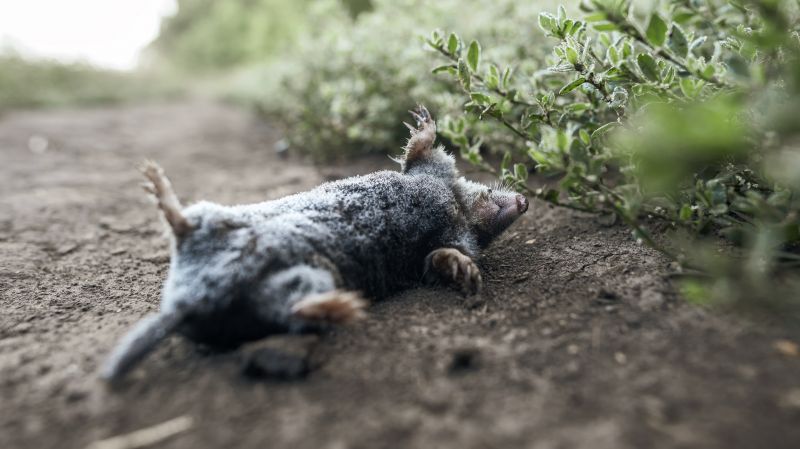
When evaluating service providers for yard mole removal, it is important to consider their experience with similar projects. Local contractors who have handled mole-related issues affecting root systems and landscape drainage can bring valuable insight into the most effective removal techniques and prevention strategies. Asking about their past work on properties with comparable landscape features can help ensure they understand the unique challenges moles pose to underground root structures and drainage systems, leading to more reliable results.
Clear written expectations are essential when comparing local pros for mole removal services. A detailed scope of work should outline the methods to be used, the areas that will be addressed, and any follow-up steps or recommendations. This transparency helps establish a shared understanding of the process and prevents misunderstandings. Homeowners should look for providers who can clearly communicate what to expect during the project, including how they plan to mitigate the disruption caused by moles and protect the integrity of the landscape.
Reputable references and good communication are key indicators of a trustworthy service provider. Local contractors who can provide references from previous clients with similar landscape issues demonstrate their ability to deliver quality results. Additionally, responsive and transparent communication throughout the process ensures that homeowners can ask questions, express concerns, and receive updates. Choosing a provider with a reputation for professionalism and clear dialogue can make the experience of addressing mole activity less stressful and more effective in restoring the health of the landscape’s root systems and drainage.
Property owners often search for how moles disrupt root systems and landscape drainage when they are planning practical projects around their homes and businesses. Local pros provide Yard Mole Removal services for everyday jobs and straightforward project options.
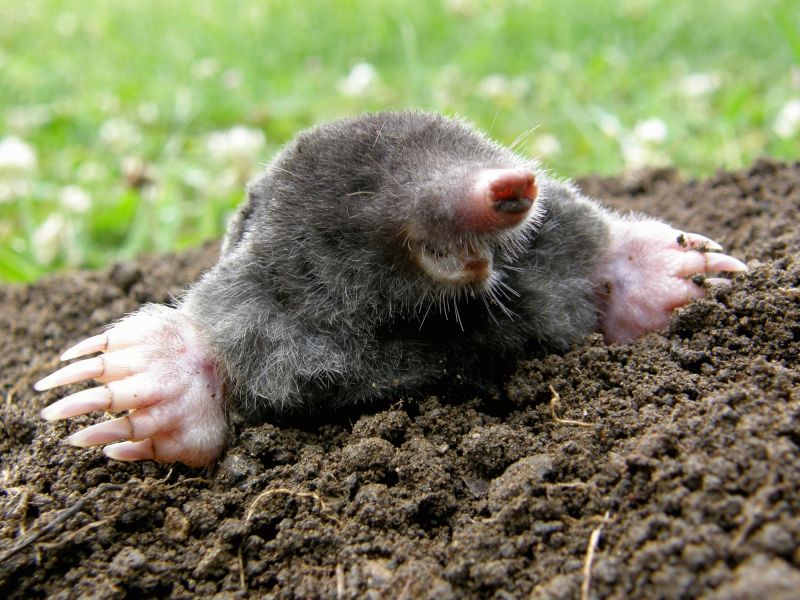
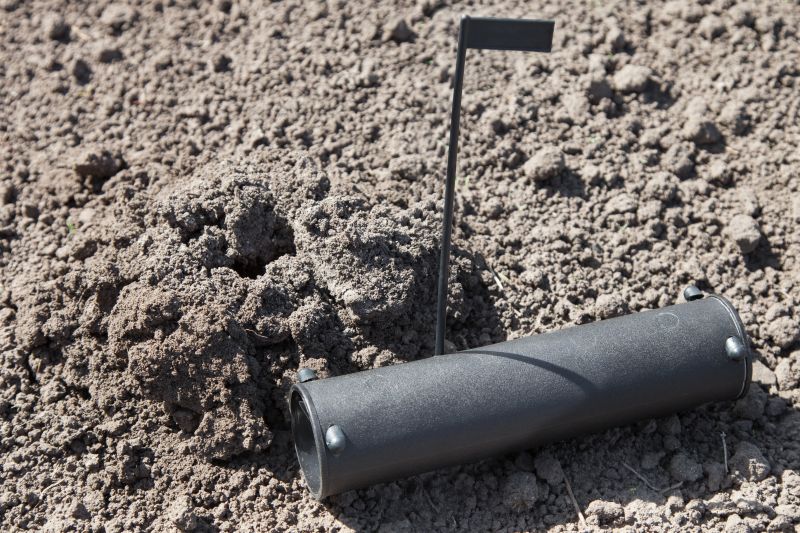
Moles can cause significant disruption to a property's landscape by tunneling beneath the surface. These underground activities often lead to the loosening of soil and the creation of extensive tunnel networks, which can interfere with the stability of root systems. When root structures are compromised, plants may struggle to absorb nutrients and water effectively, resulting in weakened growth or even death. Homeowners noticing uneven ground, excessive mole activity, or damaged plant health might consider reaching out to local contractors who specialize in yard mole removal to address these issues before they worsen.
In addition to affecting plant health, mole activity can impact landscape drainage by creating tunnels that alter the natural flow of water across a property. These disruptions can lead to pooling or poor drainage in certain areas, potentially causing water damage or soil erosion. Property owners experiencing persistent wet spots or drainage problems alongside signs of mole activity may find it beneficial to consult with local service providers experienced in mole removal. These professionals can help restore proper soil stability and drainage, safeguarding the landscape’s overall health and appearance.
How do moles disrupt root systems and landscape drainage? Moles create underground tunnels that can damage the roots of plants and trees, leading to weakened vegetation. Their tunneling also causes soil to become loose, which can impair proper drainage and lead to water pooling or erosion in the yard.
What signs indicate moles might be affecting my landscape drainage? Signs include raised ridges or mounds of soil, uneven lawn surfaces, and areas where water seems to drain poorly or pools after rain. These symptoms often point to mole activity disrupting the soil structure.
How can local contractors help with yard mole removal to protect root systems? Local pros can implement trapping, exclusion, or habitat modification techniques to control mole populations. Removing moles helps restore the integrity of root systems and ensures proper landscape drainage.
Are there specific landscape features that moles tend to damage? Moles often target areas with soft, moist soil, such as flower beds, vegetable gardens, and lawns with extensive root systems. They can undermine these features, causing plant stress and drainage issues.
What steps do service providers take to prevent moles from causing further disruption? Professionals may install barriers, set traps, or modify habitat conditions to deter moles. These measures help protect root systems and maintain effective landscape drainage over time.
Identify mole activity early - property owners can monitor their yard for signs of mole tunnels to prevent root damage and drainage issues.
Implement preventative barriers - installing underground barriers with the help of local contractors can reduce mole intrusion and protect landscape roots.
Schedule professional removal services - engaging local pros for mole removal can help restore healthy root systems and improve drainage patterns.
Assess landscape drainage regularly - routine inspections by service providers can detect disruptions caused by moles and guide effective repair strategies.
If you are thinking about how moles disrupt root systems and landscape drainage for a property, this guide is meant to help you understand this topic, the typical project types, and how different options might fit your plans.
When you are ready, you can use the quote form on this page to share a few details about your project. From there, local pros can review the basics and follow up with options that match what you have in mind.