Moles in Your Yard: How Tunneling Damages Landscapes and Lawns
If you're dealing with moles in your yard: how tunneling damages landscapes and lawns, local contractors can help eliminate the problem and protect your yard.
If moles have started tunneling across your yard, it’s understandable to be concerned about the impact on your landscape and lawn health. These small creatures can create extensive underground networks that disturb the soil structure, leading to uneven surfaces, damaged roots, and compromised plant growth. Property owners in the area often seek practical ways to manage mole activity to protect their outdoor spaces and maintain the aesthetic appeal of their yards. Exploring effective removal solutions can help prevent further damage and restore the natural beauty of the landscape.
Local service providers specializing in yard mole removal are equipped to address these issues efficiently. They understand how tunneling can weaken lawns and cause unsightly mounds or ridges, making it difficult to enjoy outdoor areas. By working with experienced contractors, property owners can find tailored strategies to eliminate moles and prevent future tunneling problems. Keep reading to learn more about how these professionals can help safeguard your yard from the ongoing effects of mole activity.
- Mole tunneling in yards - homeowners noticing underground mounds may need local contractors to assess and remove tunneling activity that damages lawns and landscapes.
- Landscape disturbance caused by moles - those experiencing uneven ground or damaged plant roots can rely on service providers to address tunneling that harms yard aesthetics.
- Underground tunnel repair - property owners observing extensive burrowing may seek local pros skilled in safely eliminating mole tunnels without further landscape disruption.
- Yard damage from mole activity - individuals noticing signs of tunneling beneath their lawns can work with local contractors to mitigate landscape destruction.
- Mole control and excavation - homeowners facing persistent tunneling issues might contact local service providers to remove moles and restore lawn integrity.
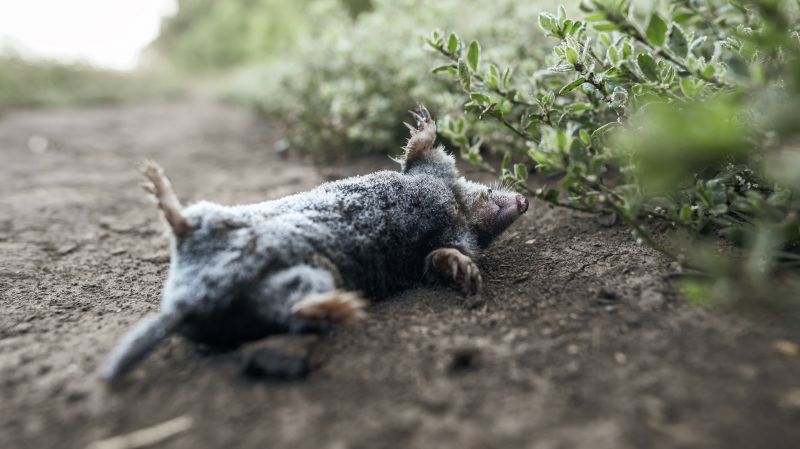
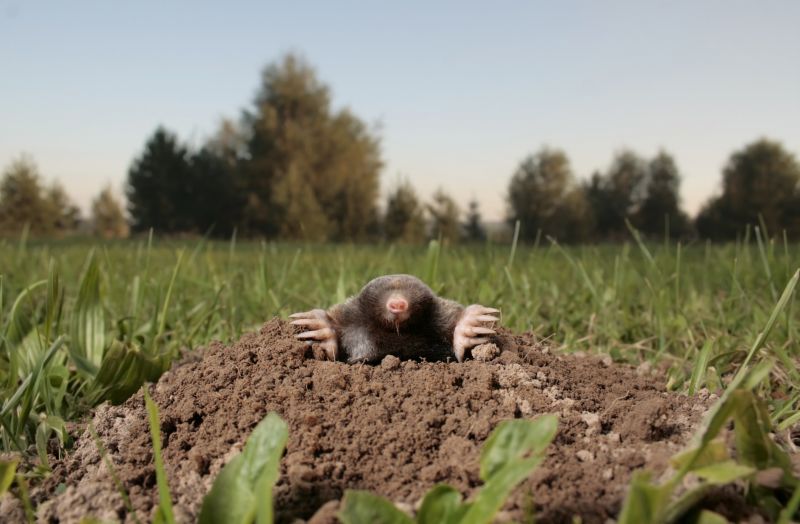
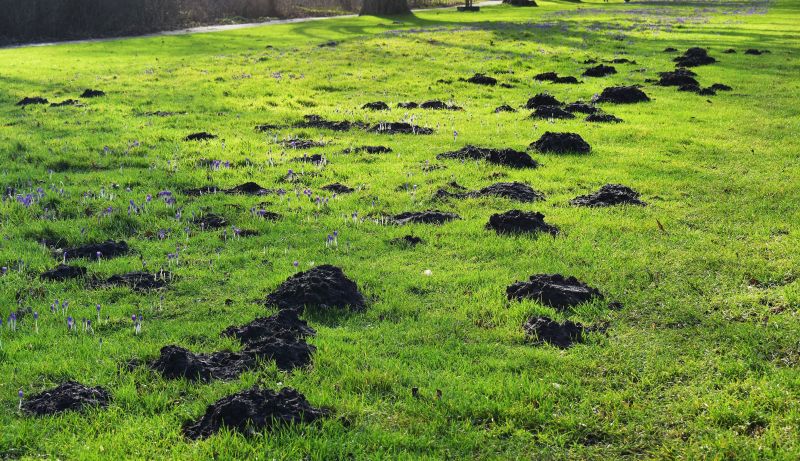
When homeowners search for information about moles in their yard and how tunneling damages landscapes and lawns, they are often concerned about the visible signs of mole activity and the underlying causes of the damage. These searches typically stem from noticing raised ridges, uneven ground, or small molehills popping up across the yard. Many property owners want to understand the impact these tunneling animals have on their outdoor spaces, especially when it comes to the health and appearance of lawns and gardens. They may also be exploring options for controlling or removing moles to prevent further damage and restore the yard’s overall look.
The problems associated with tunneling moles go beyond just unsightly molehills. Their extensive underground tunnels can undermine the stability of the soil, causing lawns to become uneven or develop soft spots that are prone to collapse. This damage can interfere with planting, watering, or mowing, making yard maintenance more difficult. Homeowners often plan landscaping projects or lawn renovations and want to address mole activity beforehand to avoid ongoing issues. Understanding how tunneling affects the landscape helps property owners decide whether mole removal or control services are necessary to protect their investment and maintain a healthy, attractive yard.
Properties most commonly affected by mole tunneling include residential lawns, gardens, and landscaped areas around homes. These animals tend to favor soft, moist soils that are easy to burrow through, often in areas with lush grass or abundant insect populations. Lawns with thick turf or well-maintained gardens are particularly vulnerable because moles are attracted to the insects that thrive in such environments. Larger properties with extensive yard spaces or landscaped features like flower beds, vegetable gardens, or ornamental lawns are also at higher risk. Homeowners with these types of properties frequently seek out local service providers who specialize in mole removal to effectively manage and minimize the damage caused by tunneling activity.
Local yard mole removal professionals play a crucial role in helping property owners address tunneling damage. These experts understand the behavior of moles and the signs of their activity, allowing them to recommend targeted removal or control strategies. They can assess the extent of the tunneling damage, identify active mole areas, and implement humane or effective removal methods to reduce ongoing underground disturbance. Engaging with local contractors ensures that homeowners receive tailored solutions to protect their landscapes, restore the beauty of their lawns, and prevent future tunneling issues. Connecting with experienced service providers is a practical step toward maintaining a safe, even, and visually appealing yard free from the disruptions caused by tunneling moles.
Landscaping and Garden Design - Professionals in this field plan and implement landscape features that can help prevent mole tunneling and mitigate damage caused by their burrowing activities.
Pest Control and Animal Removal - Local contractors specializing in nuisance animal removal can address mole infestations and reduce tunneling that harms lawns and gardens.
Soil Aeration Services - These services improve soil health and structure, which can make yards less attractive to tunneling moles and reduce landscape damage.
Drainage System Installation - Proper drainage solutions can minimize soil disturbance and discourage moles from creating extensive tunnels in yards.
Lawn Repair and Restoration - Experts in lawn repair can restore damaged areas caused by mole tunneling and help prevent future issues.
Irrigation System Setup - Installing or upgrading irrigation can improve soil stability and reduce the need for moles to tunnel in search of food or shelter.
When comparing service providers for yard mole removal, it’s important to consider their experience with similar projects. Homeowners should look for local contractors who have a proven track record in managing mole-related issues, particularly those involving tunneling damage to landscapes and lawns. An experienced professional will understand the behaviors of moles and the most effective removal techniques, helping to ensure that the work is handled efficiently and with minimal disruption to the yard’s existing features. Asking about past projects or seeking references can provide insight into a contractor’s familiarity with the specific challenges posed by tunneling damage and their ability to address them effectively.
Clear, written expectations are essential when selecting a yard mole removal service. Homeowners should seek providers who can offer detailed descriptions of the work involved, including the methods used to remove moles and prevent future tunneling. This clarity helps prevent misunderstandings and ensures that both parties have aligned goals for the project. Reputable service providers will often be willing to outline their approach and explain what homeowners can expect during and after the removal process, which is especially important when dealing with damage caused by tunneling that may require additional landscaping or repair work.
Effective communication and reputable references are key factors in choosing a dependable local contractor. Homeowners should prioritize service providers who are transparent about their experience, willing to share references, and responsive to questions. Good communication ensures that concerns about tunneling damage and landscape preservation are addressed throughout the project. Verifying references or reviews can offer reassurance that the contractor has successfully handled similar situations, demonstrating their ability to manage the complexities of mole removal and landscape restoration in a professional manner. This approach helps ensure the project proceeds smoothly and results in a yard that is both functional and visually appealing.
Property owners often search for moles in your yard: how tunneling damages landscapes and lawns when they are planning practical projects around their homes and businesses. Local pros provide Yard Mole Removal services for everyday jobs and straightforward project options.
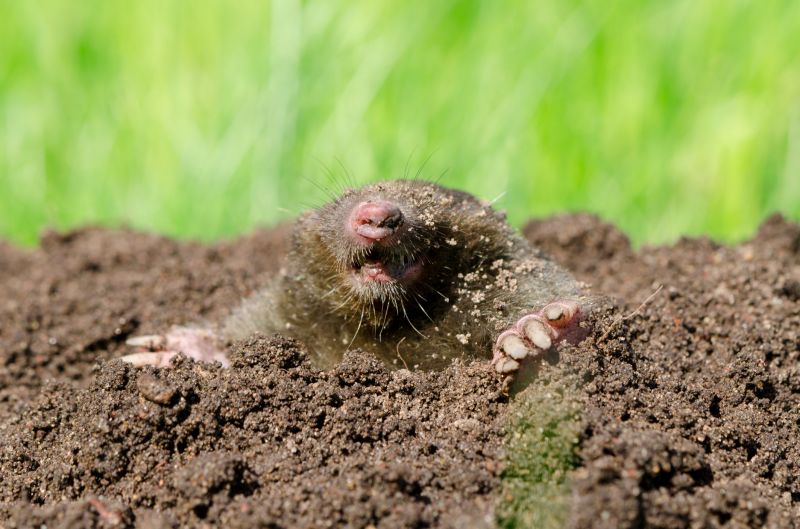
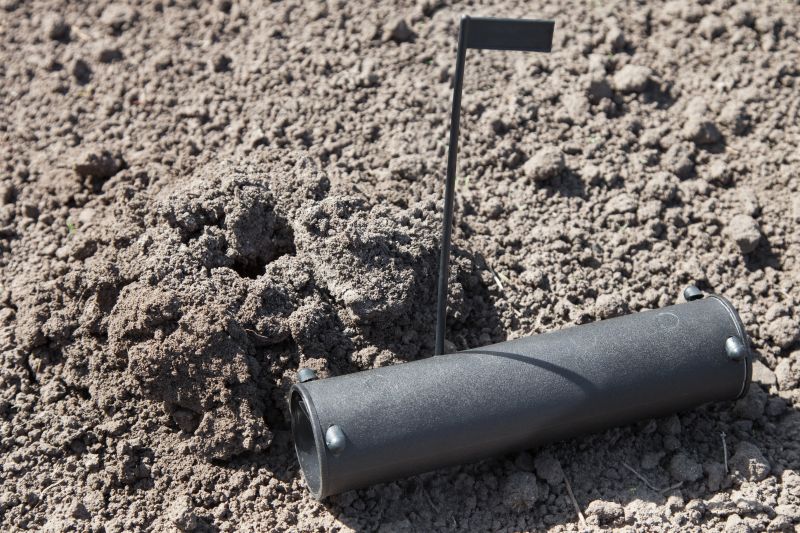
Moles in your yard: how tunneling damages landscapes and lawns is a common concern for property owners who notice unsightly mounds or disturbed soil. These small mammals can create extensive underground tunnels that weaken the structure of lawns, gardens, and flower beds. The tunneling activity often results in uneven ground, loose patches, and can disrupt root systems of plants, leading to potential damage over time. Homeowners searching for solutions might explore yard mole removal services to address these issues, seeking help from local contractors experienced in humane and effective mole control methods.
Property owners in the area who observe signs of tunneling or notice areas of disturbed soil often consider professional yard mole removal to protect their landscape investments. Local service providers have the expertise to assess the extent of mole activity and recommend appropriate removal strategies. Engaging with experienced contractors can help restore the appearance and integrity of lawns, preventing further damage caused by ongoing tunneling. Connecting with local pros ensures that homeowners receive tailored solutions to manage mole activity and maintain a healthy, attractive yard.
How do moles in my yard cause damage to landscapes and lawns? Moles create tunnels that can disturb the root systems of plants, leading to uneven soil surfaces, mounded ridges, and damaged grass or flower beds, which can weaken the overall health of your landscape.
What signs indicate tunneling damage caused by moles? Signs include raised ridges, surface mounds, and irregular patterns on the lawn, as well as the presence of molehills and disturbed soil that suggest active tunneling underground.
How can local contractors help remove moles and prevent further damage? Local service providers can implement trapping, exclusion, or habitat modification techniques to effectively remove moles and reduce future tunneling damage to lawns and gardens.
Are there specific areas in my yard that are more vulnerable to tunneling damage? Yes, areas with loose or moist soil, abundant insect activity, or nearby food sources tend to attract moles and experience more tunneling damage in those zones.
What long-term solutions can local pros provide to protect my landscape from mole damage? Professionals can offer ongoing management strategies such as habitat modification, mole repellents, or targeted removal methods to help maintain a healthy, damage-free yard.
Identify tunneling patterns - observing mole activity can help property owners determine areas needing removal services to prevent further landscape damage.
Plan yard restoration projects - understanding how tunneling affects lawns allows homeowners to coordinate with local contractors for effective repair work.
Implement yard protection strategies - consulting with local pros can provide guidance on barriers or deterrents to minimize mole activity and protect landscaping.
Schedule regular inspections - proactive monitoring by local service providers can help catch mole problems early before extensive damage occurs.
If you are thinking about moles in your yard: how tunneling damages landscapes and lawns for a property, this guide is meant to help you understand this topic, the typical project types, and how different options might fit your plans.
When you are ready, you can use the quote form on this page to share a few details about your project. From there, local pros can review the basics and follow up with options that match what you have in mind.