What to Expect During a Professional Wildlife Removal Visit
People seeking wildlife removal typically want pests safely and humanely removed; local service providers can handle inspections, exclusions, and cleanup to ensure effective results.
If you’ve been wondering what to expect during a professional wildlife removal visit, you’re in the right place. Property owners in the area often seek out these services to address unexpected animal intrusions that can cause property damage or safety concerns. Understanding the typical process can help ease any worries and prepare you for what’s involved. During a visit, experienced service providers usually begin with an inspection to identify how animals are gaining entry and where they may be nesting or hiding. This step is essential for developing an effective removal plan and ensuring that all potential entry points are addressed to prevent future visits.
As the visit progresses, local contractors might employ humane techniques to safely remove the wildlife and confirm that animals are relocated without harm. They often take steps to seal off entry points and repair any damage caused by the intrusion. Knowing what to expect during a wildlife removal visit can help property owners feel more confident about the process and the professionalism involved. If wildlife issues are a concern, connecting with local service providers can ensure that the removal is handled efficiently and humanely, helping to restore safety and peace of mind for your property.
- Wildlife entry point inspection - when animals are suspected to have gained access to a property, local contractors assess potential entry points to determine how wildlife is getting inside.
- Wildlife removal and exclusion - if animals are present, service providers employ humane techniques to remove wildlife and seal entry points to prevent future visits.
- Wildlife damage repair - after removal, local pros address any damage caused by wildlife, such as chewed wires or insulation, to restore property integrity.
- Odor control and sanitation - in cases of animal droppings or carcasses, experts handle cleanup and deodorization to eliminate lingering odors.
- Follow-up inspections - to ensure wildlife has been successfully excluded, service providers conduct follow-up visits and monitor for signs of new activity.
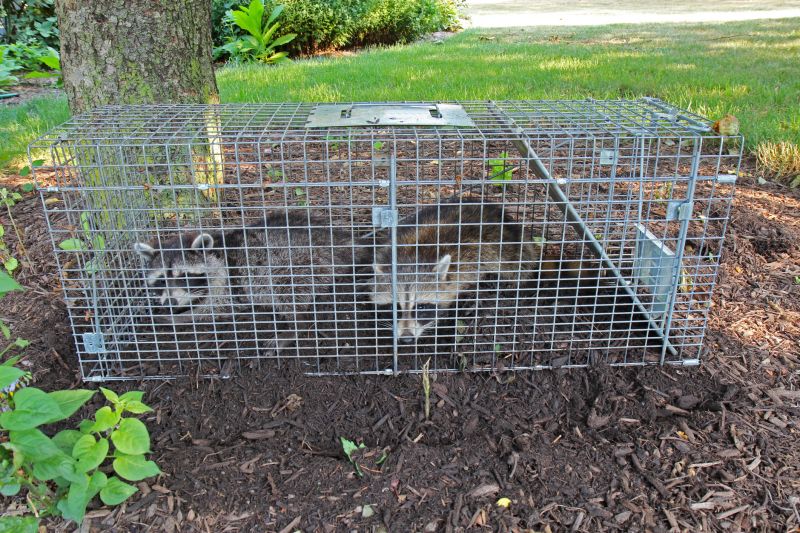
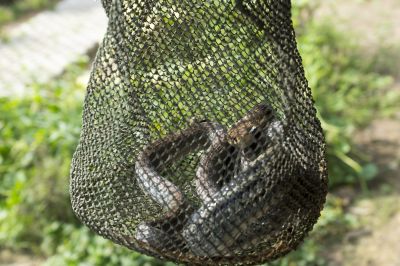
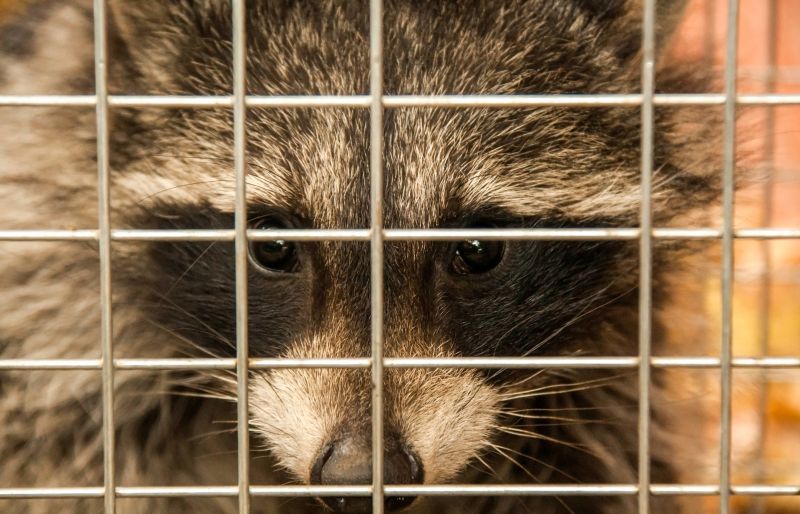
When searching for information on what to expect during a professional wildlife removal visit, homeowners are often trying to understand how the process unfolds and what kind of experience they can anticipate. Typically, this topic relates to situations where unwanted animals-such as raccoons, squirrels, bats, or birds-have taken up residence in or around a property. People want to know how wildlife professionals handle these encounters, from initial assessment to the final removal and prevention measures. Understanding what happens during a visit helps homeowners feel more prepared and reassured that trained experts will manage the situation safely and effectively.
Wildlife removal visits usually involve a thorough inspection of the property to identify the specific animal species involved, their entry points, and the extent of the infestation. Homeowners can expect the service provider to examine attics, crawl spaces, roofs, and exterior walls for signs of animal activity and damage. The goal is to locate how the animals are accessing the property and determine the most humane and effective removal methods. These visits often include discussions about the best way to seal entry points after removal to prevent future problems. Knowing what to expect during this process can help homeowners understand that the pros will take a careful, step-by-step approach tailored to their property’s unique needs.
The types of properties that typically come up in these situations include residential homes, especially those with attics or basements, as well as commercial buildings, barns, and sheds. Homes with large trees nearby or those with openings in the roof or walls are more prone to wildlife intrusions. Rural properties and farms are also common locations for wildlife issues, especially when animals have easy access to sheds, outbuildings, or storage areas. Homeowners should recognize that wildlife professionals are experienced in handling a variety of property types and can adapt their approach accordingly. This ensures that regardless of the property’s size or layout, the removal process is carried out efficiently and with minimal disruption.
During a typical wildlife removal visit, homeowners can expect the service provider to communicate clearly about what they are doing at each stage. This includes explaining the animal’s behavior, the methods used to humanely trap or exclude them, and the steps taken to prevent future entry. The process often involves setting traps in strategic locations, monitoring their effectiveness, and safely removing the animals once caught. After the animals are removed, the pros will usually focus on sealing entry points and advising on ways to make the property less attractive to wildlife in the future. Understanding what to expect during this visit helps homeowners see the process as a comprehensive effort to resolve the problem and protect their property long-term, with local service providers ready to handle the job professionally.
Exclusion Services - contractors specializing in animal exclusion use similar planning and sealing techniques to prevent wildlife from re-entering structures after removal.
Attic Restoration - professionals who restore attics after wildlife infestations often handle cleanup and damage repair, requiring similar tools and inspection methods.
Pest Control - pest control providers frequently address animal entry points and nesting sites, sharing expertise in identifying signs of wildlife presence.
Animal Damage Repair - specialists in repairing structural damage caused by wildlife use comparable assessment skills and repair techniques.
Bird Control Services - bird control experts utilize similar strategies to manage and prevent bird-related wildlife issues, including nest removal and deterrents.
Rodent Exclusion - rodent exclusion services involve sealing entry points and implementing preventative measures akin to wildlife removal planning and execution.
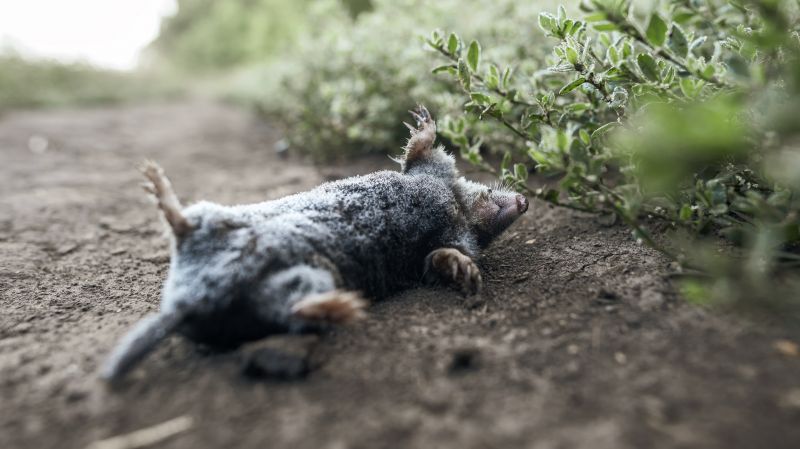
When comparing wildlife removal service providers, it is important to consider their experience with similar projects. Homeowners should inquire about how long a local contractor has been handling wildlife issues comparable to their situation, such as attic infestations or ground-level nuisances. An experienced professional is more likely to understand the nuances of different wildlife behaviors and effective removal techniques, leading to a smoother process and fewer surprises during the visit.
Clear, written expectations are essential when evaluating potential service providers. Homeowners should seek detailed descriptions of what a wildlife removal visit entails, including the steps involved in humane removal, property inspection, and any follow-up actions. Having this information in writing helps ensure everyone is on the same page about the scope of work, what services are included, and any necessary preparations, reducing misunderstandings and ensuring a transparent process.
Reputable references and strong communication are key factors in choosing the right local contractor. Homeowners are encouraged to ask for references or reviews from previous clients who had similar wildlife issues. Good communication skills also matter; a professional who clearly explains the process, answers questions thoroughly, and keeps the homeowner informed throughout the visit can make the experience less stressful. These qualities help build confidence that the service provider is reliable and attentive to the homeowner’s needs during the wildlife removal process.
Property owners often search for what to expect during a professional wildlife removal visit when they are planning practical projects around their homes and businesses. Local pros provide Wildlife Removal services for everyday jobs and straightforward project options.
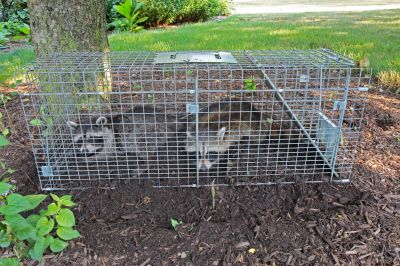
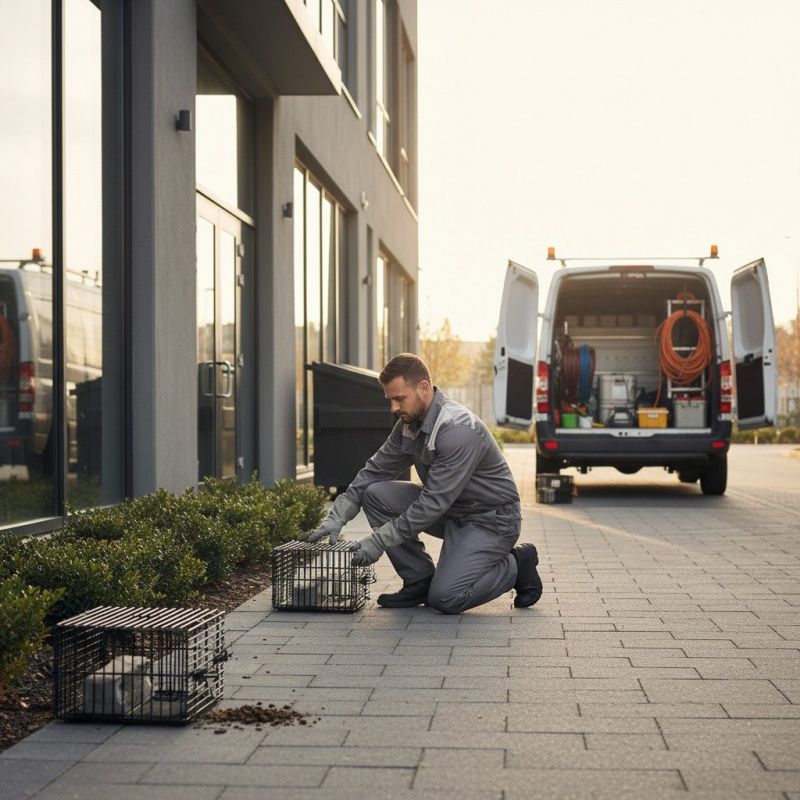
During a professional wildlife removal visit, property owners can generally expect an assessment of the affected areas to identify signs of wildlife activity and entry points. Local contractors often examine attics, basements, and rooflines to determine the species involved and the extent of the issue. The process typically involves inspecting for damage or nesting materials and discussing the best approach for humane removal and exclusion, ensuring that the property is thoroughly evaluated to prevent future issues.
Throughout the visit, wildlife removal service providers may set up specialized equipment or traps designed to safely capture the animals. Property owners might observe the technicians working carefully around the property, often explaining their methods and what steps will follow. Once the animals are removed, local contractors usually focus on sealing entry points and repairing damage, helping to restore the property’s integrity. This routine process aims to address the immediate concern while reducing the likelihood of wildlife returning.
What should I expect during a professional wildlife removal visit? During a wildlife removal visit, local service providers typically inspect the property to identify entry points and signs of animal activity, then develop a plan to safely remove the wildlife and prevent future issues.
Will the wildlife removal technician need to access my attic or walls? Yes, in many cases, wildlife removal professionals may need to access attics, walls, or other hidden areas to safely remove animals and seal off entry points.
Are there any specific procedures involved during the visit? The procedures often include animal trapping or exclusion, removal of any debris or nests, and sealing of entry points to ensure animals cannot return.
Will the technician check for signs of damage during the visit? Yes, part of the visit involves assessing any damage caused by wildlife, such as chewed wires or insulation, and advising on necessary repairs.
What kind of tools or equipment might the technician use? Wildlife removal professionals typically use traps, protective gear, sealing materials, and sometimes specialized tools to access hard-to-reach areas safely.
Inspection process - Property owners can prepare for a thorough inspection where local contractors identify entry points and signs of wildlife activity.
Safety considerations - Understanding safety procedures during a visit helps owners ensure pets and residents are protected from potential hazards.
Removal techniques - Learning about humane removal methods allows property owners to see how wildlife is carefully and responsibly relocated.
Post-removal steps - Knowing what to expect after removal, such as sealing entry points, helps owners plan for effective long-term prevention.
If you are thinking about what to expect during a professional wildlife removal visit for a property, this guide is meant to help you understand this topic, the typical project types, and how different options might fit your plans.
When you are ready, you can use the quote form on this page to share a few details about your project. From there, local pros can review the basics and follow up with options that match what you have in mind.